
Shoulder dislocation treatment for cricket and kabaddi athletes by orthopaedic surgeon in India
- Home
- Shoulder dislocation treatment for cricket and kabaddi athletes by orthopaedic surgeon in India
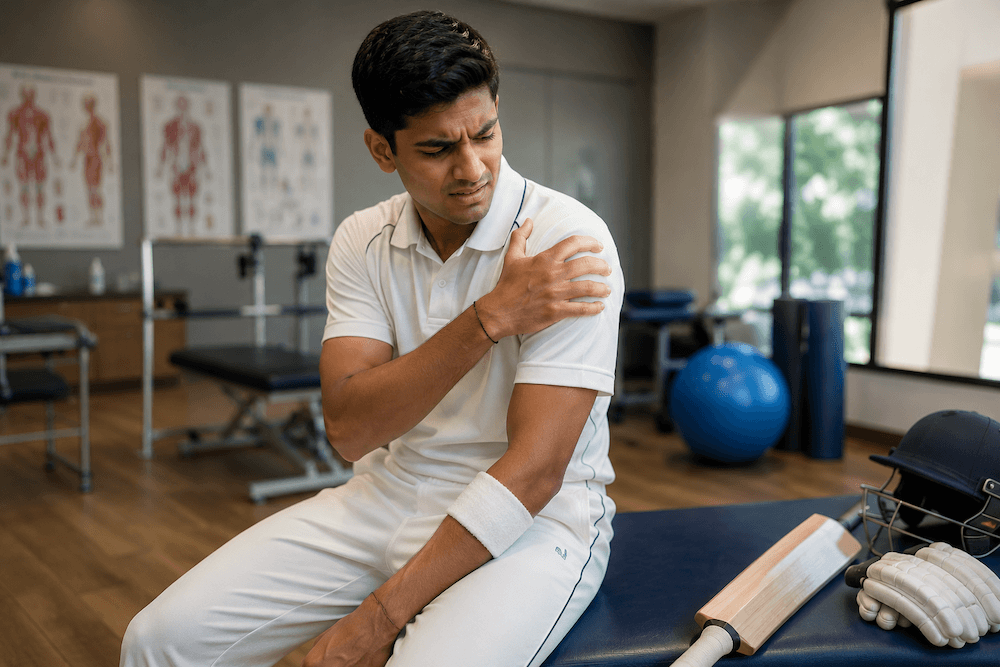
From cricket stadiums to kabaddi mats and modern fitness gyms, shoulder injuries are becoming increasingly common among Indian athletes and active young adults. One awkward fall, heavy overhead lift, or sudden impact can lead to a painful shoulder dislocation that affects performance, strength, and long-term joint stability. Many patients initially depend only on rest, painkillers, or physiotherapy. While physiotherapy plays an important role in recovery, repeated shoulder dislocations often require proper evaluation from an experienced shoulder dislocation surgeon or orthopaedic specialist to prevent permanent instability and long-term joint damage.
Understanding when to seek advanced medical treatment can help athletes recover safely and return to sports with better confidence and stability.
A shoulder dislocation occurs when the upper arm bone pops out of the shoulder socket due to injury, trauma, or sudden force.
The shoulder joint has a wide range of movement, which also makes it one of the most unstable joints in the body.
Shoulder dislocations are commonly seen in:
Modern sports training has become more aggressive and physically demanding. Many athletes continue intense physical activity despite early warning signs of shoulder instability.
Common causes include:
Ignoring repeated shoulder dislocation episodes may increase the risk of ligament damage, cartilage injury, and chronic shoulder instability.
Physiotherapy is highly beneficial for strengthening muscles and improving recovery after injury. However, athletes with repeated shoulder dislocations or structural damage often require advanced medical evaluation.
Relying only on temporary pain relief or exercises without understanding the underlying shoulder instability can delay proper treatment.
Patients experiencing repeated dislocations, weakness, clicking sounds, or fear of shoulder movement should consult a specialist for detailed diagnosis and treatment planning.
An experienced shoulder dislocation treatment specialist can identify ligament tears, labrum injuries, or bone damage using advanced imaging and clinical assessment.
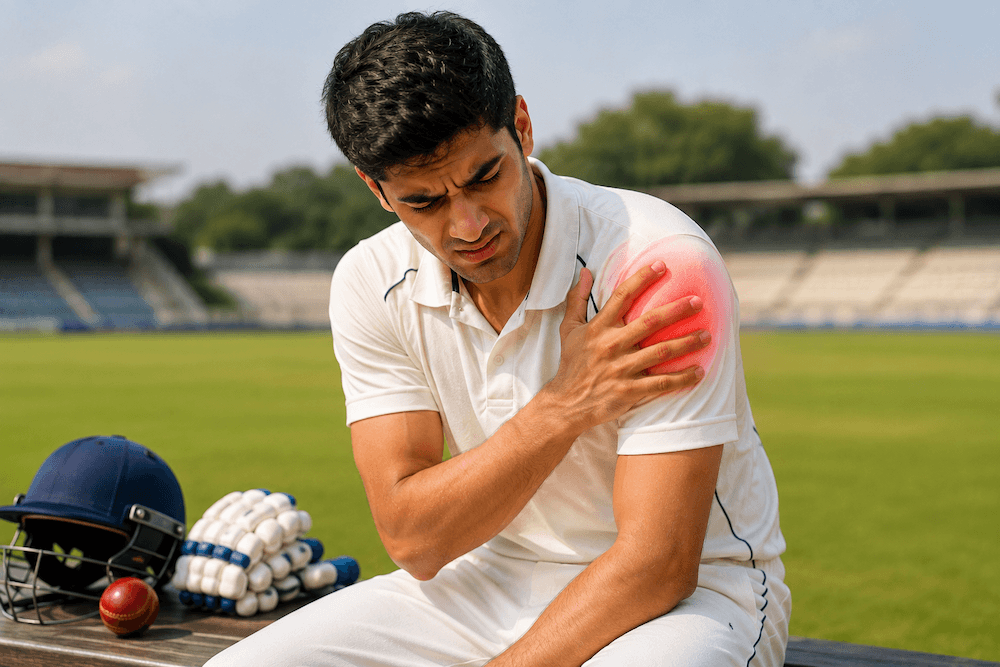
Early treatment can help athletes avoid long-term complications and improve recovery outcomes.
Treatment depends on the severity of injury, sports activity level, age, and shoulder stability condition.
Modern orthopaedic treatment options may include:
Minimally invasive arthroscopic procedures are commonly used for many sports-related shoulder instability cases because they may improve recovery and reduce surgical trauma.
For athletes and physically active individuals, treatment is not only about reducing pain — it is about restoring performance, confidence, strength, and long-term shoulder stability.
The best shoulder surgeon focuses on:
Patients from Bihar, Jharkhand, Gaya, Patna, Ranchi, Dhanbad, and nearby regions increasingly look for experienced orthopaedic specialists who understand modern sports injuries and advanced shoulder treatment approaches.
Recovery timelines vary depending on injury severity and treatment type.
Most patients undergo:
Proper rehabilitation is essential for preventing future dislocations and restoring shoulder function.
Many athletes successfully return to cricket, gym training, kabaddi, and other sports after proper treatment and rehabilitation.
Recovery success depends on:
Early consultation often leads to better recovery outcomes and reduced risk of repeat injuries.
Yes. Cricket players frequently experience shoulder injuries due to throwing stress, diving, and repeated overhead movements.
Physiotherapy helps strengthen the shoulder, but repeated dislocations may require surgical evaluation for long-term stability.
Recovery varies depending on the injury and procedure, but rehabilitation generally continues for several months.
Modern arthroscopic procedures are commonly used for many shoulder instability cases and are considered minimally invasive.
You should seek specialist consultation if you experience repeated dislocations, shoulder instability, weakness, or sports performance limitations.
Shoulder dislocation injuries are becoming increasingly common among Indian athletes, gym enthusiasts, and active young adults.
While physiotherapy remains an important part of rehabilitation, repeated shoulder instability should never be ignored.
Consulting an experienced orthopaedic surgeon can help patients receive accurate diagnosis, advanced treatment planning, and long-term shoulder stability care for safer return to sports and daily activities.

