
Is Endoscopic Spine Surgery Safe? Benefits, Risks & Recovery Explained
- Home
- Is Endoscopic Spine Surgery Safe? Benefits, Risks & Recovery Explained
Living with chronic back pain, leg pain, numbness, or weakness can make even the simplest daily activities difficult. While many spinal conditions improve with medication, physiotherapy, and lifestyle modifications, some patients continue to experience severe symptoms that interfere with work, sleep, and overall quality of life.
One of the biggest concerns patients have before considering surgery is whether the procedure is actually safe. Fortunately, advancements in medical technology have transformed spinal treatment over the past decade. Today, endoscopic spine surgery has become one of the most advanced minimally invasive techniques for treating selected spinal disorders with smaller incisions, reduced tissue damage, and faster recovery.
In this article, we’ll explain how safe endoscopic spine surgery is, who may benefit from it, its advantages, possible risks, recovery expectations, and when it is appropriate to consult a spine specialist.
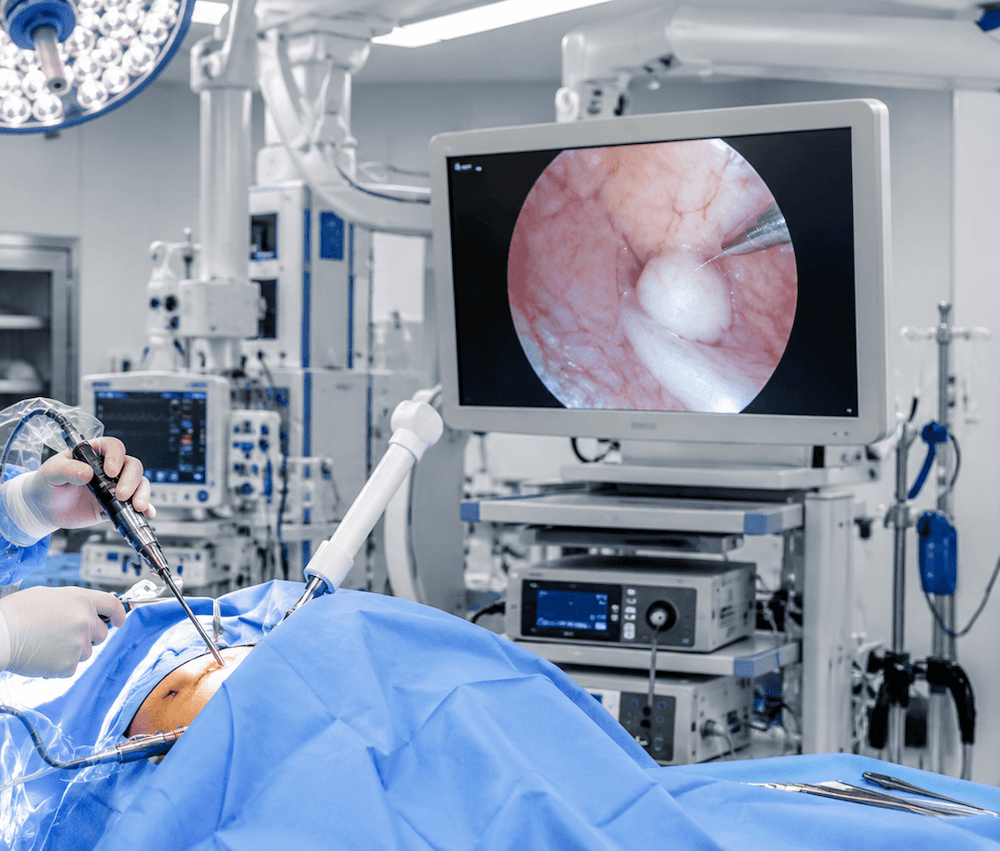
Endoscopic spine surgery is a minimally invasive surgical technique that allows surgeons to treat certain spinal conditions through a very small incision using a high-definition camera known as an endoscope.
Unlike traditional open spine surgery, this procedure requires minimal muscle dissection. The surgeon inserts specialized instruments through a narrow tube while viewing the affected spinal structures on a high-resolution monitor. This enables precise removal of damaged disc material or pressure on spinal nerves while preserving healthy tissues.
Patients suffering from slipped discs, sciatica, lumbar disc herniation, spinal stenosis, or nerve compression may be suitable candidates depending on their clinical condition.
If you’re exploring advanced treatment options, learn more about endoscopic spine surgery in Bihar and how minimally invasive techniques can help patients recover with less discomfort.
For appropriately selected patients, endoscopic spine surgery is considered a safe and effective procedure when performed by an experienced spine surgeon using modern surgical equipment.
The procedure has gained worldwide acceptance because it minimizes unnecessary damage to muscles, ligaments, and surrounding tissues. Instead of creating a large surgical opening, the surgeon operates through a tiny incision while visualizing the affected area with magnified images.
Numerous clinical studies have shown that minimally invasive spinal procedures often result in reduced blood loss, lower infection rates, shorter hospital stays, and quicker return to normal activities compared to conventional open surgery.
However, patient selection remains one of the most important factors. Not every spinal disorder requires surgery, and not every patient is a candidate for an endoscopic procedure. A thorough evaluation, physical examination, and MRI findings help determine the most appropriate treatment approach.
The final decision depends on MRI findings, neurological examination, and the patient’s symptoms.
One of the biggest advantages is the tiny skin incision, which minimizes surgical trauma and improves cosmetic healing.
Traditional surgery often requires separation of muscles to reach the spine. Endoscopic surgery preserves surrounding tissues, reducing postoperative pain.
Because the surgical approach is highly precise, patients generally experience significantly less blood loss during the procedure.
Smaller surgical wounds reduce exposure of internal tissues, helping decrease infection risk when proper surgical protocols are followed.
Many patients are able to begin walking within a short period after surgery and return to normal activities much earlier than with traditional open procedures.
Minimal tissue disruption often results in reduced pain after surgery and a lower requirement for pain medications.
Every surgical procedure carries some degree of risk, including minimally invasive spine surgery. Although complications are relatively uncommon when performed by an experienced surgeon, patients should understand the possible risks before making a decision.
Fortunately, careful patient selection, modern surgical equipment, and adherence to postoperative instructions help minimize these risks.
Recovery varies from patient to patient depending on age, general health, the severity of the spinal condition, and the type of procedure performed. However, one of the biggest advantages of endoscopic spine surgery is that recovery is often quicker than traditional open surgery.
Many patients are encouraged to walk shortly after the procedure under medical supervision. Gentle movement helps improve circulation, reduce stiffness, and support healing. During the first few weeks, patients are advised to avoid heavy lifting, prolonged bending, or strenuous physical activities while the spine recovers.
Your surgeon may recommend physiotherapy, stretching exercises, and gradual strengthening programs to restore flexibility and improve long-term spinal health. Following these recommendations plays an important role in achieving the best possible outcome.
Not everyone with back pain requires surgery. Many spinal problems respond well to medication, exercise, weight management, and physiotherapy. However, surgery may be considered if symptoms continue despite appropriate conservative treatment.
You should consider consulting a spine specialist if you experience:
Ignoring persistent spinal symptoms may allow the condition to worsen over time. Early diagnosis helps identify the exact cause of pain and enables treatment before permanent nerve damage or prolonged disability develops.
An experienced spine surgeon will evaluate your medical history, perform a physical examination, and review imaging studies before recommending the most appropriate treatment. In many cases, conservative management remains the first line of treatment, while surgery is reserved for patients who truly need it.
The success of any spinal procedure depends not only on the surgical technique but also on accurate diagnosis, careful patient selection, and the experience of the treating surgeon. Patients should choose a qualified orthopaedic spine specialist who offers evidence-based treatment and explains all available options before recommending surgery.
If you are experiencing persistent back pain, leg pain, or symptoms related to a slipped disc, consulting a specialist can help determine whether minimally invasive treatment is appropriate for your condition.
Endoscopic spine surgery has become one of the most significant advancements in modern spinal care. For carefully selected patients, it offers a safe, effective, and minimally invasive solution with smaller incisions, less postoperative discomfort, faster recovery, and quicker return to daily life.
While every surgical procedure carries some risk, proper evaluation by an experienced spine specialist ensures that treatment decisions are based on the patient’s individual condition rather than symptoms alone. If conservative treatments have not provided lasting relief, discussing advanced options with a qualified surgeon may be the next step toward improved mobility and long-term spinal health.
To understand whether this advanced treatment is suitable for your condition, explore our comprehensive guide on endoscopic spine surgery in Bihar or schedule a consultation with our orthopaedic and spine specialist.
Most patients experience less postoperative pain than traditional open spine surgery because the procedure involves smaller incisions and minimal muscle disruption.
Recovery depends on the patient’s condition and the type of surgery, but many patients resume light daily activities within a few weeks after following their surgeon’s advice.
No. The procedure is recommended only for selected spinal conditions after clinical examination and MRI evaluation.
Yes, many patients with symptomatic lumbar disc herniation may benefit if conservative treatments have not been successful.
Smaller incisions, reduced blood loss, less tissue damage, lower infection risk, and faster recovery are among the major advantages.
Many patients benefit from a structured rehabilitation and physiotherapy program to regain strength, flexibility, and long-term spinal stability.
If back pain, leg pain, numbness, or weakness persists despite medication and physiotherapy, it is advisable to seek a specialist evaluation.
Many patients undergoing minimally invasive spine procedures have shorter hospital stays compared to conventional open surgery, depending on their overall health and recovery.

